Ask The Knee Dr

Get AI-powered guidance for your knee replacement journey

Navigation

Healthcare Ecosystem

Your Independent Resource

A Complete Guide to Knee Replacement Surgery

Everything you need to know about knee replacement—from understanding your condition to finding the right surgeon and recovering fully. Before surgery, explore conservative treatment options for knee pain.

800K+
Annual Surgeries in the US
90%
Patient Satisfaction
20+
Year Implant Lifespan
6-12
Weeks to Recovery

Latest Research

Latest from Trusted Sources

Expert insights on knee replacement surgery and recovery

Loading...

Fetching latest articles...

Please wait while we load the latest research.

Recovery Support

Products for Knee Recovery

Quality products to support your knee replacement recovery journey
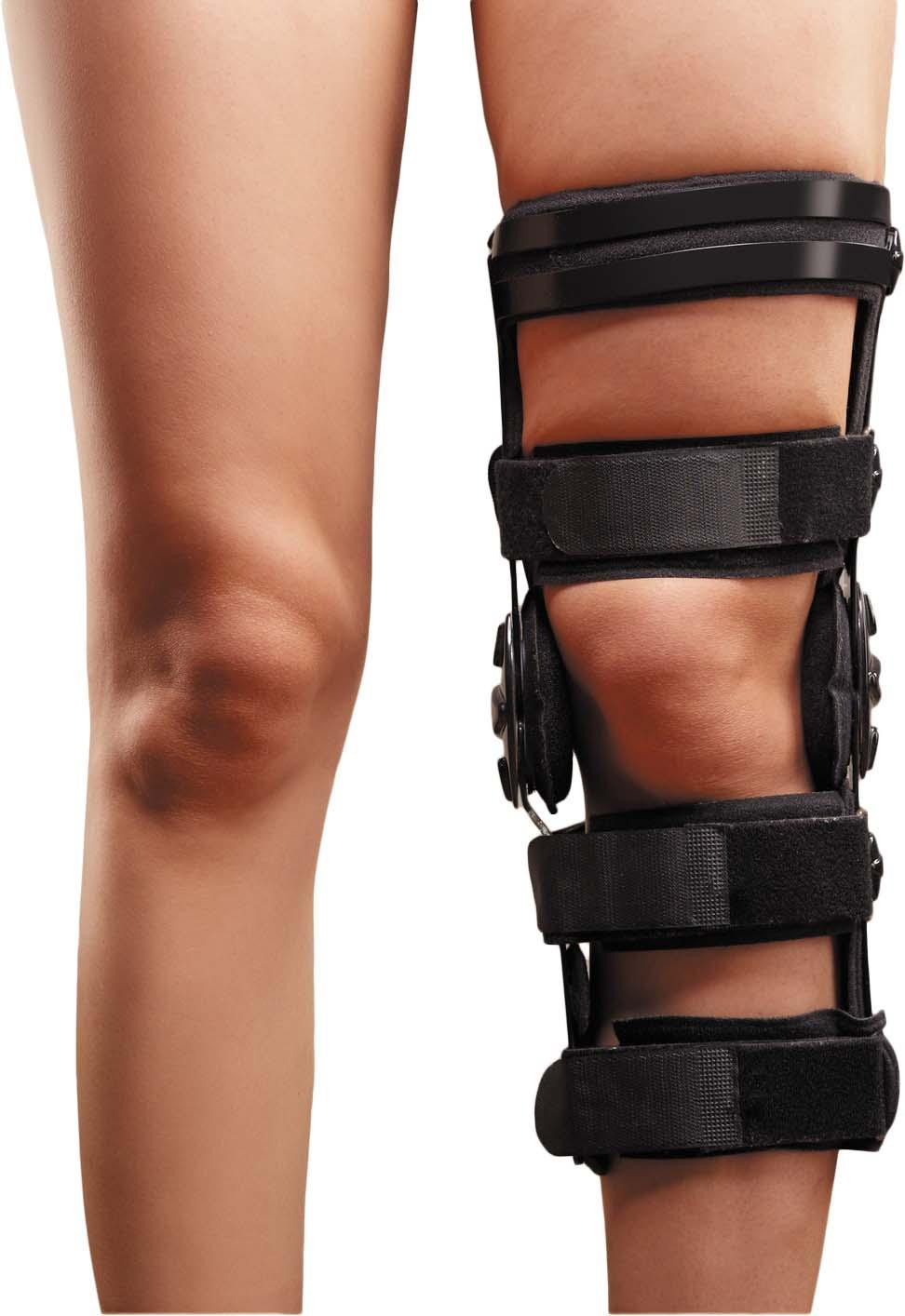
Knee brace orthotic support

Knee Braces

Stabilizing braces for post-surgery support and protection during recovery

Shop Braces
Ice pack for cold therapy

Ice Therapy

Cold therapy machines and ice packs for reducing swelling and pain

Shop Ice Therapy
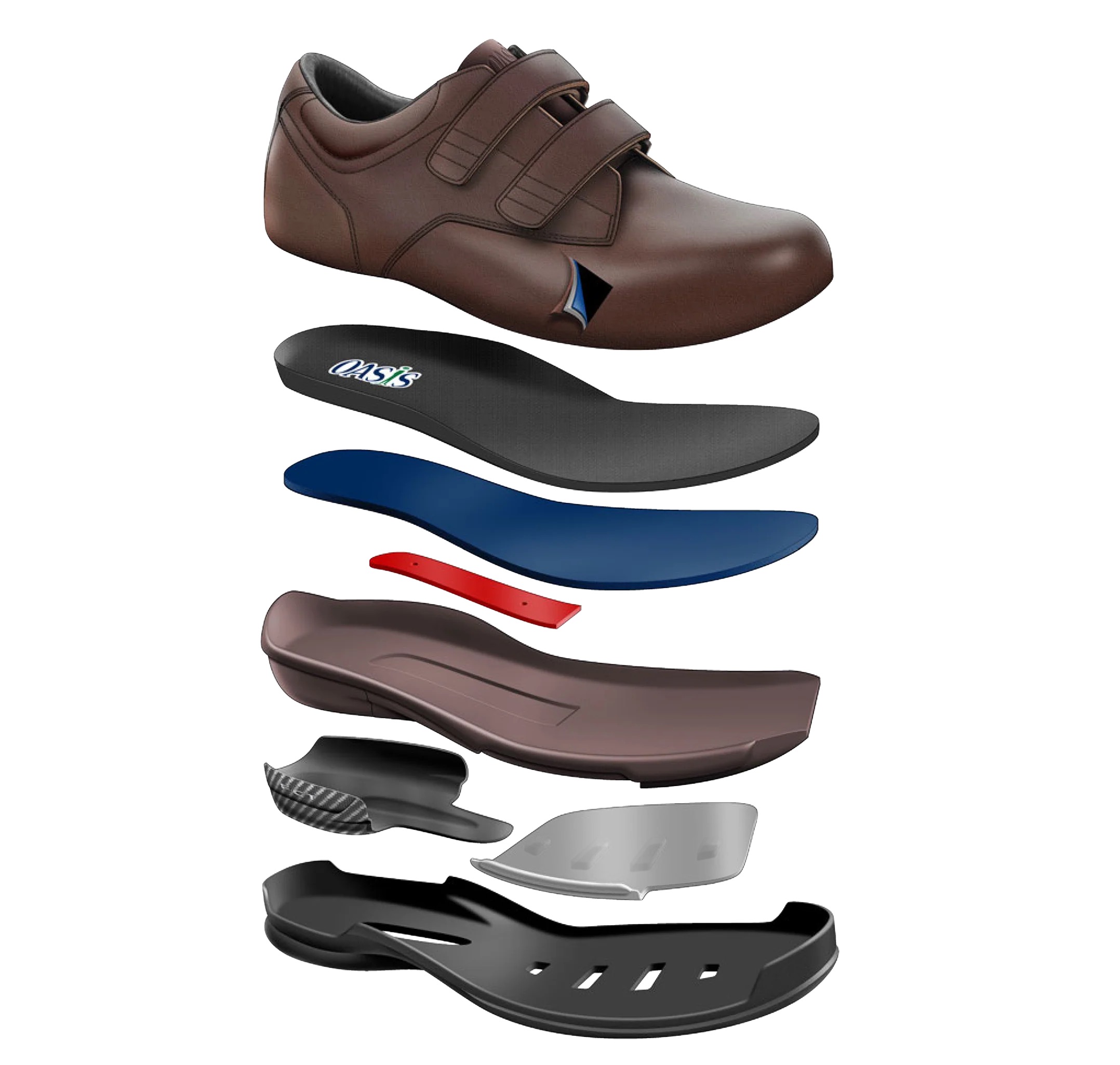
Orthopedic supportive shoes

Supportive Shoes

Orthopedic and supportive footwear for comfortable walking during recovery

Shop Shoes
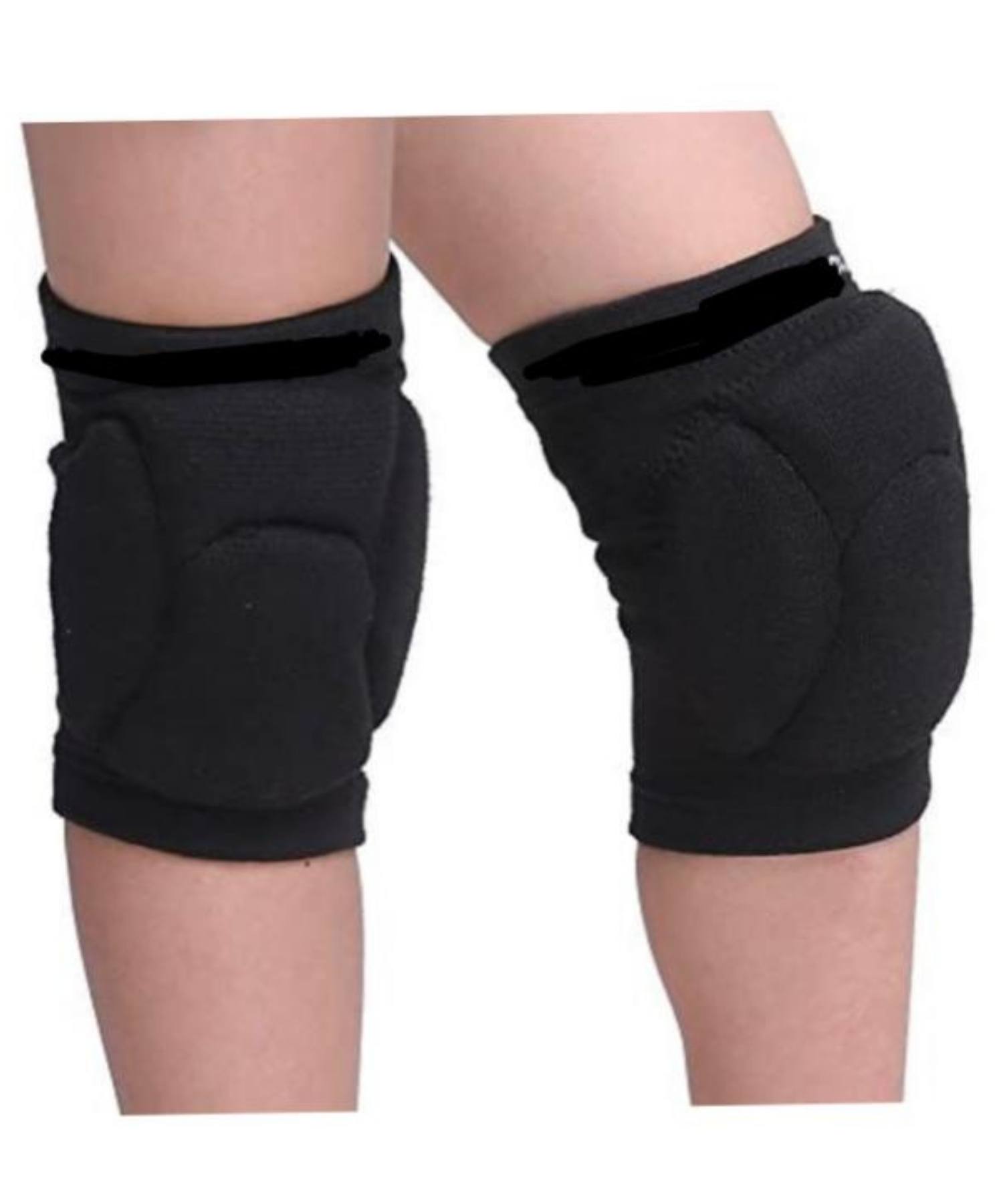

Protective knee pads

Knee Pads

Protective pads and cushions for kneeling and daily activities

Shop Pads
Glucosamine joint supplements

Joint Supplements

Glucosamine, chondroitin, and collagen for joint health support

Shop Supplements
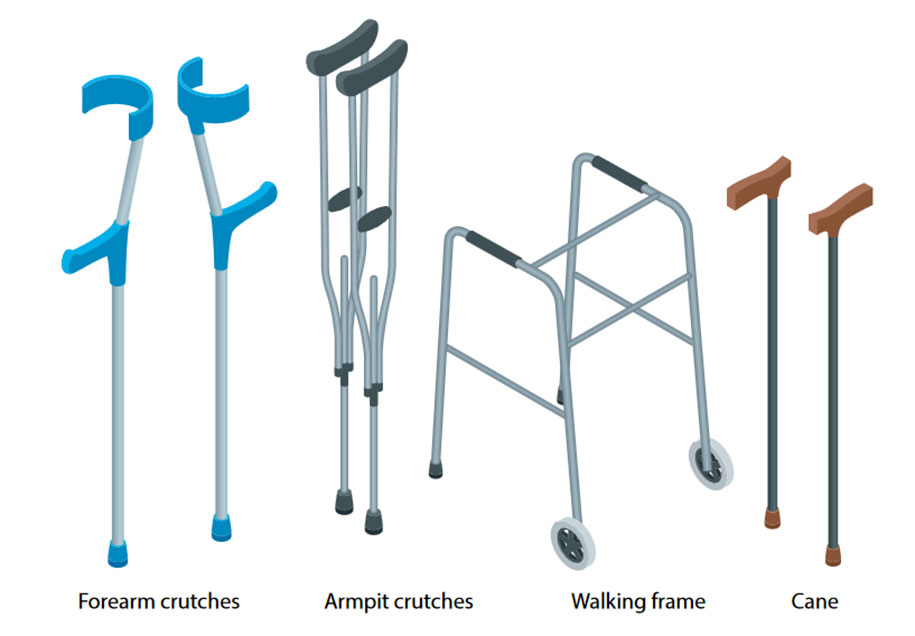
Walker mobility aid

Walking Aids

Walkers, canes, and mobility aids for safe movement post-surgery

Shop Walking Aids

Links may be affiliate links. We may earn a commission at no cost to you.
Education

Understanding Your Knee

Knowledge helps you make better decisions. Learn about knee anatomy and what leads to replacement surgery.

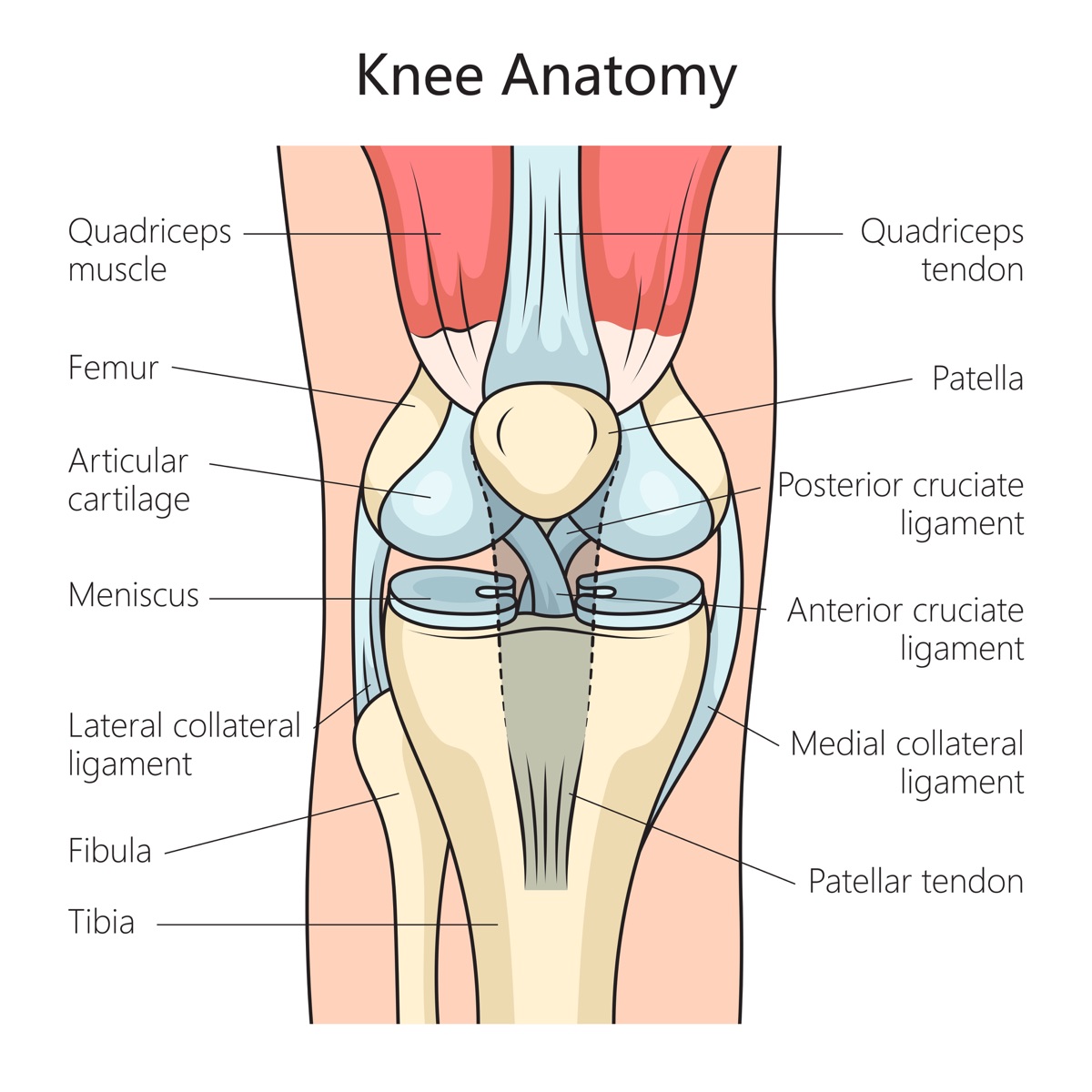
Knee joint anatomy diagram

Knee Anatomy

The knee is the largest joint in your body, formed by three bones—the femur (thighbone), tibia (shinbone), and patella (kneecap). These are connected by ligaments, cushioned by cartilage, and surrounded by the joint capsule.

FemurThighbone—largest bone in the body
TibiaShinbone—bears your body weight
PatellaKneecap—protects the joint
MeniscusCartilage that cushions impact
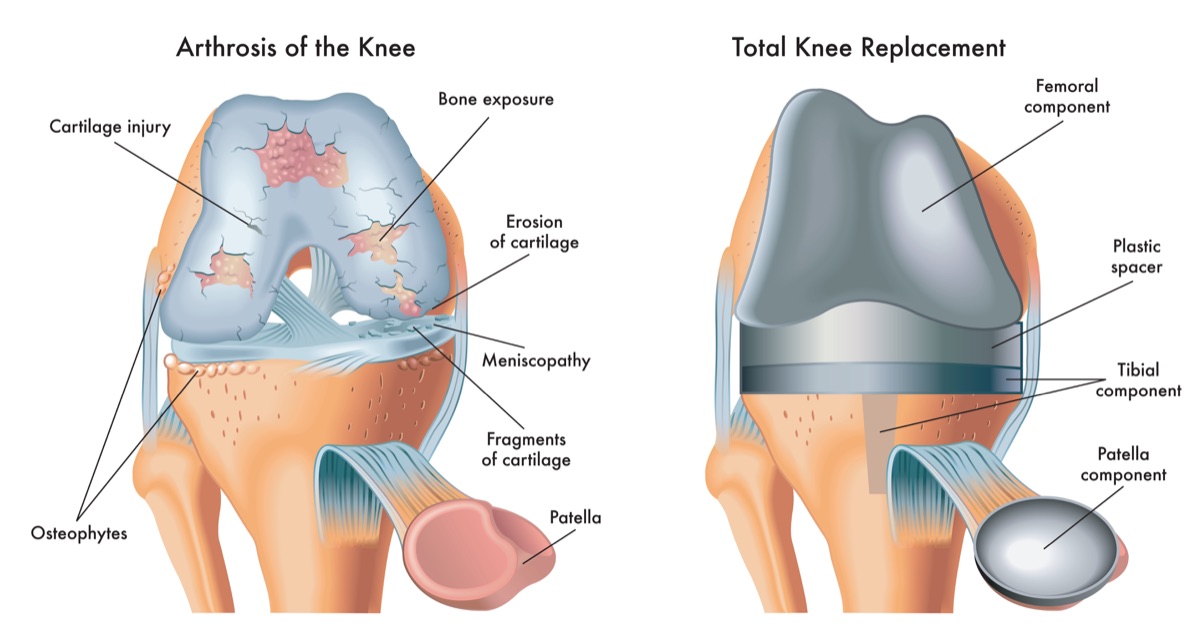
Arthrosis vs knee replacement

When Replacement Is Needed

Knee replacement becomes necessary when cartilage protecting the joint wears away, causing bone-on-bone contact that leads to severe pain and limited mobility.

Severe arthritis (osteoarthritis, rheumatoid)
Bone-on-bone contact causing chronic pain
Significant loss of mobility
Pain that interferes with daily activities
Non-surgical treatments no longer effective

Procedures

Types of Knee Replacement

Your surgeon will recommend the best approach based on your condition, age, activity level, and overall health.

Total Knee Replacement (TKR)

The most common type, replacing all three compartments of the knee. Ideal for patients with widespread arthritis affecting the entire joint.

Recovery Time
6-12 weeks
Implant Lifespan
20-25 years

Advantages

  • Most durable long-term solution
  • Suitable for severe arthritis
  • Well-established procedure with high success rates

Considerations

  • Longer recovery time
  • More bone removal required
  • May feel less natural initially
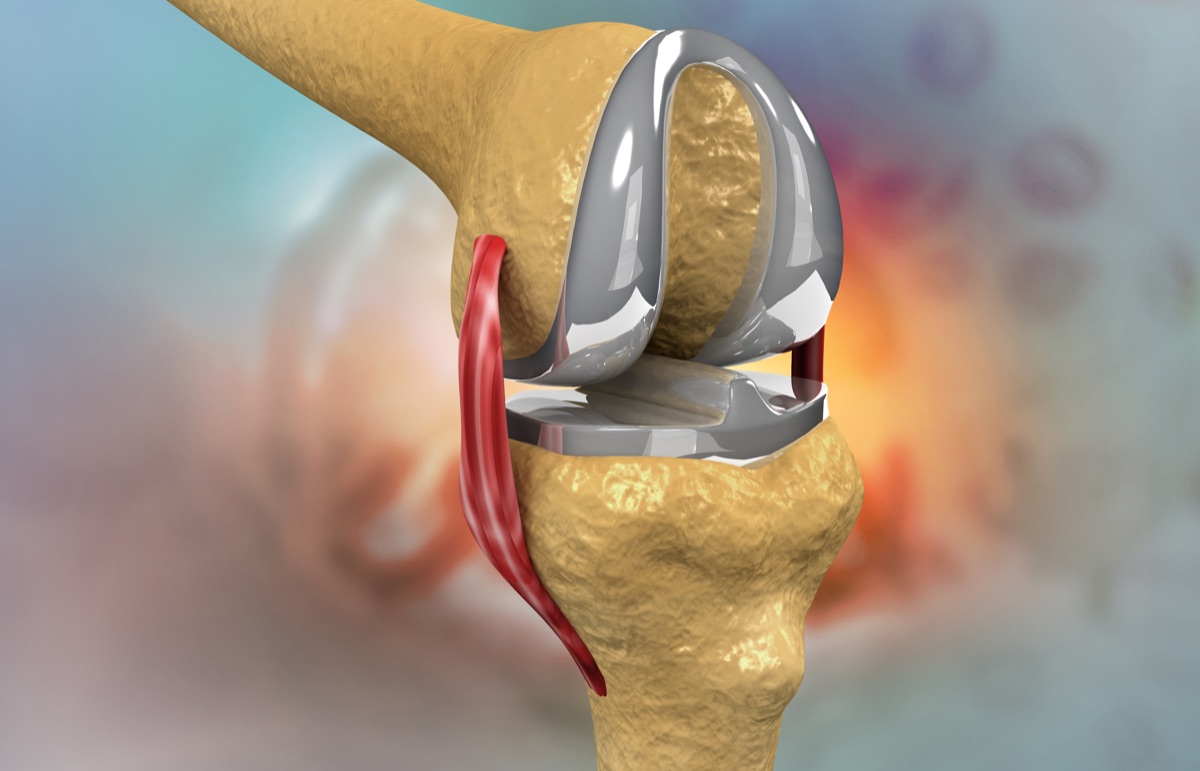
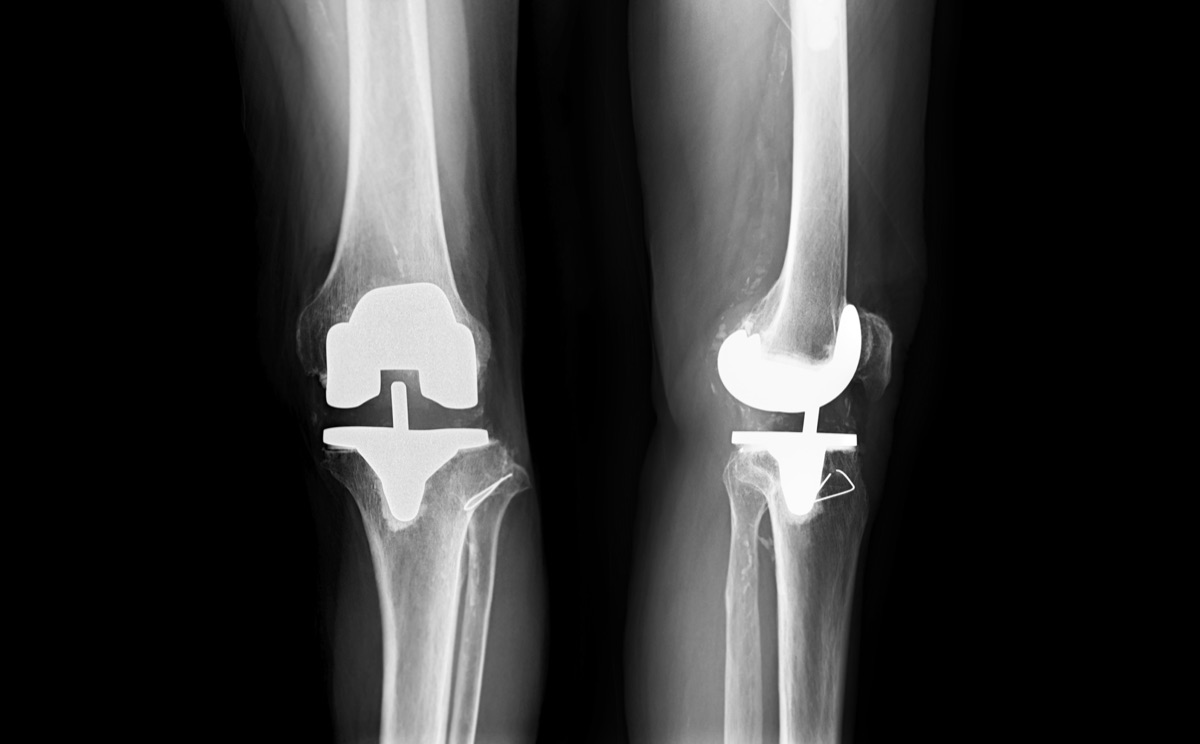
3D illustration of knee implant X-ray view of knee replacement

Implant Technology

Knee Implant Manufacturers

Compare the leading companies behind knee replacement implants and their innovative technologies.

ZB

Zimmer Biomet

Major Player

Global leader in musculoskeletal healthcare with the most comprehensive knee portfolio.

Market Share26%
Founded1927

Key Products

  • Persona - Personalized fit technology
  • Vanguard - Proven long-term outcomes
  • NexGen - Gold standard legacy system
ROSA Knee
Robotic-assisted with real-time data
ST

Stryker

Major Player

Innovation leader known for MAKO robotic surgery and Triathlon implant system.

Market Share24%
Founded1941

Key Products

  • Triathlon - Industry-leading satisfaction rates
  • Triathlon Tritanium - Cementless 3D-printed technology
  • Mako TKA - Robot-assisted precision
Mako SmartRobotics
CT-based 3D planning, 2,000+ installations
JJ

DePuy Synthes (J&J)

Major Player

Johnson & Johnson company with long history and ATTUNE advanced bearing technology.

Market Share20%
Founded1895

Key Products

  • ATTUNE - Rotating platform stability
  • ATTUNE S+ - Cementless fixation option
  • SIGMA - Proven 20+ year track record
VELYS Digital Surgery
Real-time ligament balancing (FDA 2021)
SN

Smith & Nephew

Major Player

UK-based company known for JOURNEY II and CORI surgical system.

Market Share14%
Founded1856

Key Products

  • JOURNEY II - Medial pivot design mimics natural knee
  • LEGION - Versatile revision system
  • ANTHEM - Mechanical alignment flexibility
CORI Surgical System
Handheld robotics, CT-free planning
MD

Medacta

Emerging

Swiss innovator pioneering kinematic alignment and personalized surgery.

Market Share3%
Founded1999

Key Products

  • GMK Sphere - Medial stabilized design
  • GMK Revision - Modular revision system
  • MyKnee - Patient-specific instruments
NextAR Augmented Reality MySolutions Planning
CF

Conformis

Specialty

Pioneer in truly personalized, 3D-printed patient-specific knee implants.

Market Share1%
Founded2004

Key Products

  • iTotal CR - Completely customized to your anatomy
  • iTotal PS - Posterior-stabilized custom option
  • iUni - Custom unicompartmental
True Custom Implants iFit Image-to-Implant
EX

Exactech

Emerging

Surgeon-founded company focused on innovation and surgeon partnerships.

Market Share2%
Founded1985

Key Products

  • Truliant - Comprehensive size range
  • Optetrak Logic - Proven polyethylene durability
  • Vantage - Anatomic asymmetric design
ExactechGPS Navigation Blueprint Planning
MP

MicroPort Orthopedics

Emerging

Growing orthopedic player with Evolution medial-pivot knee system.

Market Share2%
Founded2014

Key Products

  • Evolution - Medial-pivot stability
  • Prophecy - Patient-specific instruments
  • Advance - Value-focused option
Prophecy Guides Digital Planning

Robotic Surgery Systems Comparison

The four major manufacturers each offer robotic-assisted surgical systems. Here's how they compare:

System Manufacturer Type Planning Key Feature
Mako Stryker Robotic Arm CT Required AccuStop haptic boundaries
ROSA Zimmer Biomet Robotic Arm X-ray or CT Intraoperative X-ray planning
VELYS DePuy (J&J) Robotic Arm X-ray Based Real-time ligament balancing
CORI Smith & Nephew Handheld CT-Free Compact handheld design
8
Manufacturers Profiled
84%
Market Share (Top 4)
4
Robotic Systems
20+
Years Implant Life

Note: Your surgeon will recommend the best implant based on your anatomy, activity level, and specific needs. All FDA-approved implants meet rigorous safety standards.

Find Care

Find an Orthopedic Surgeon

Search board-certified orthopedic surgeons specializing in knee replacement. Expand your search to include additional specialists across multiple disciplines.

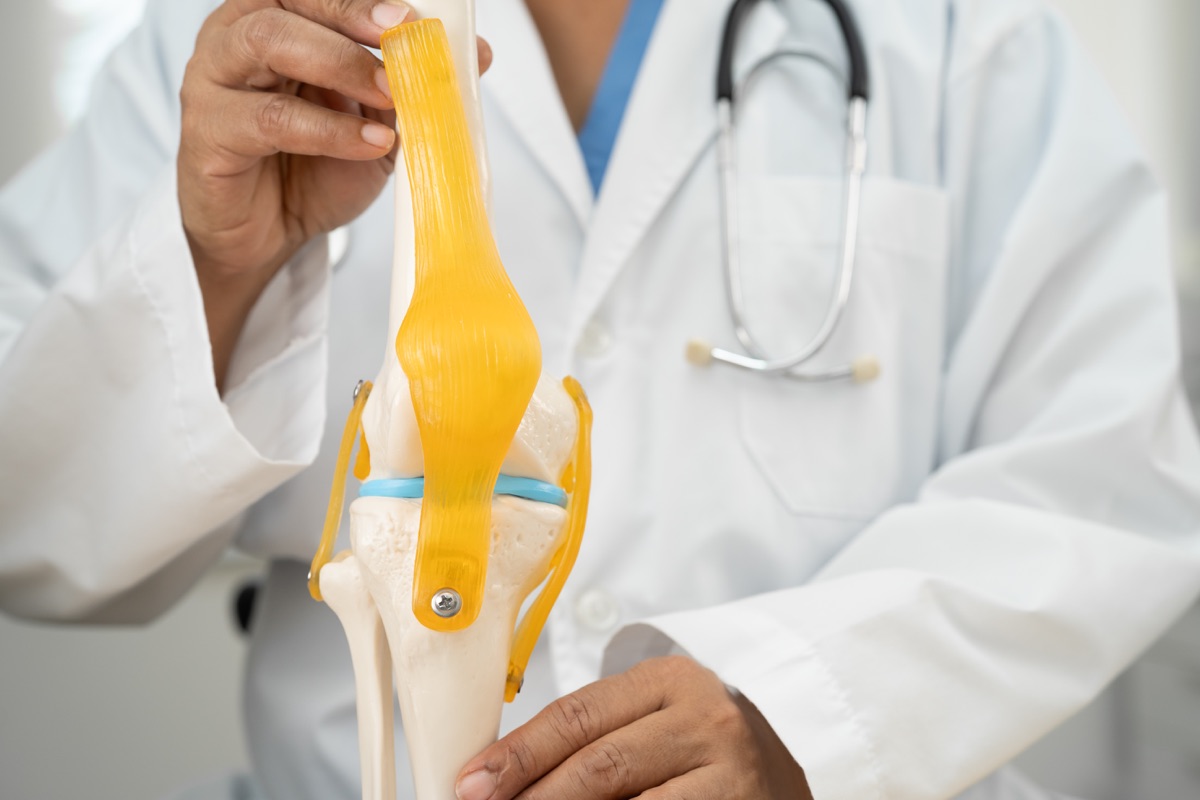
Doctor explaining knee model to patient

What to Look For in a Surgeon

1
Board Certification
Look for ABOS certification and FAAOS designation
2
Volume & Experience
Surgeons performing 200+ knee replacements yearly have better outcomes
3
Hospital Quality
Choose hospitals with high ratings for joint replacement
4
Robotic Capability
Ask if robotic-assisted surgery is available

Preparation

Preparing for Surgery

Proper preparation significantly improves surgical outcomes and recovery.

2-4 Weeks Before
Complete all pre-operative tests
Review medications with your doctor
Arrange transportation and home help
Start pre-hab exercises if recommended
Prepare your home for recovery
Home Preparation
Clear walkways of tripping hazards
Install grab bars in bathroom
Set up recovery area on main floor
Stock up on easy-to-prepare meals
Get a raised toilet seat
Day Before Surgery
Follow fasting instructions
Take prescribed medications only
Shower with antibacterial soap
Pack hospital bag with essentials
Get a good night's rest
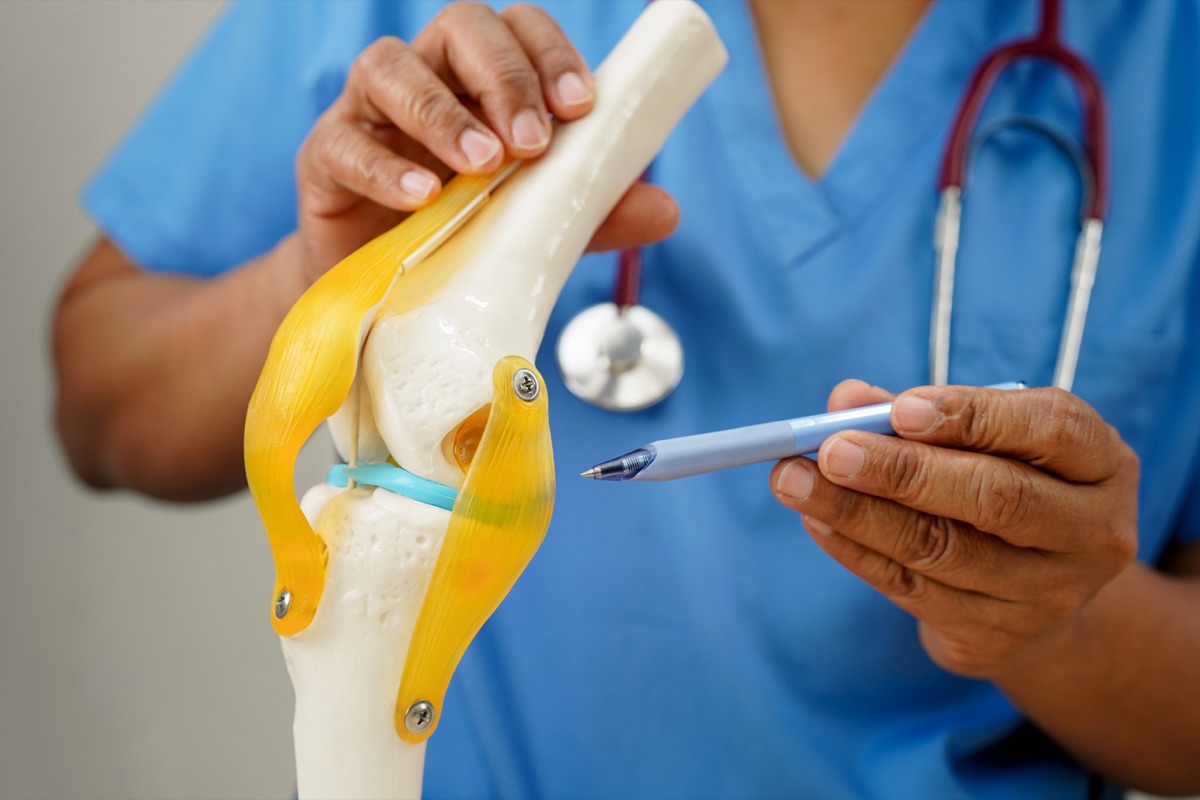
Doctor showing knee model

Questions to Ask Your Surgeon

1.How many knee replacements do you perform annually?
2.What type of implant do you recommend for me and why?
3.Do you use robotic-assisted surgery?
4.What is your complication rate?
5.How long will I be in the hospital?
6.What should I expect for recovery timeline?

Recovery

What to Expect After Surgery

Recovery is gradual. Understanding the timeline helps set realistic expectations.

Day 1-3
Hospital Stay
Physical therapy begins within hours. Focus on pain management and initial mobility.
Week 1-2
Early Recovery
Home exercises, wound care, managing swelling. Walking with assistance.
Week 3-6
Building Strength
Outpatient PT 2-3x/week. Increasing range of motion. Walking longer distances.
Week 6-12
Active Recovery
Most daily activities resume. Driving possible after 4-6 weeks. Continuing PT.
Month 3-6
Return to Normal
Low-impact activities resume. Most patients feel significant improvement.
Month 6-12
Full Recovery
Maximum improvement achieved. Continue maintenance exercises.
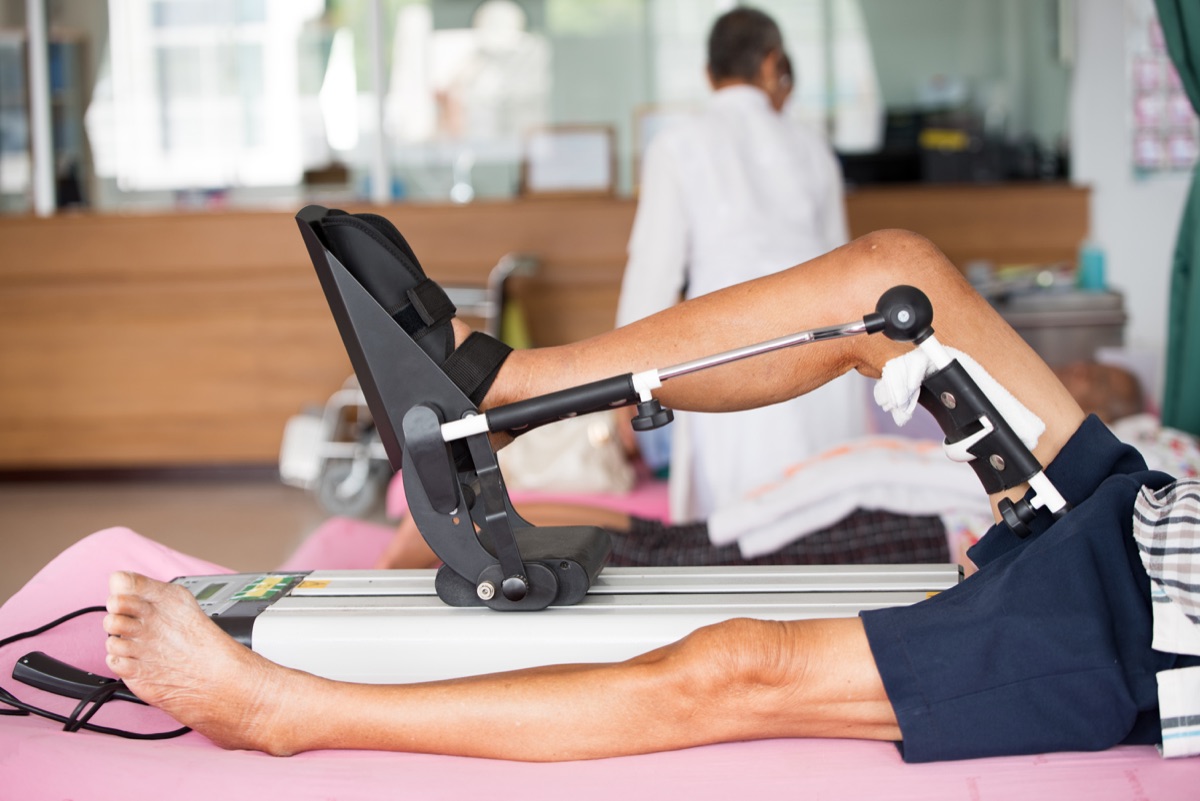
CPM machine for knee recovery
Continuous Passive Motion (CPM)
Post-surgery knee with bandage
Post-Surgical Bandaging
Knee brace during recovery
Supportive Bracing

Stay Committed to PT

Physical therapy is crucial for regaining strength and mobility. If getting to appointments is difficult, consider in-home rehabilitation services.

Ice & Elevate

Reduce swelling with regular icing and leg elevation

Manage Pain Properly

Take medication as directed to enable better participation in therapy.

Move Regularly

Short, frequent walks prevent blood clots and aid healing

Rehabilitation

Recovery Exercises

General guidelines—always follow your physical therapist's specific recommendations.

Important
These exercises are for informational purposes only. Always consult with your orthopedic surgeon and physical therapist before starting any exercise program. Stop any exercise that causes sharp pain.

FAQ

Common Questions

The surgery typically takes 1-2 hours. You may be in the operating room longer for preparation and recovery from anesthesia.
Most patients stay 1-3 days. Many hospitals now offer same-day discharge for appropriate candidates.
Typically 4-6 weeks after surgery, once you can safely operate pedals and have discontinued narcotic pain medication. To reduce post-operative prescription costs, comparing prices across pharmacies can lead to significant savings.
Yes, knee implants often trigger metal detectors. Carry your implant card for security screening.
Modern implants typically last 20-25 years or more. Younger, more active patients may eventually need revision surgery.
Many patients can kneel, though it may be uncomfortable. Using a cushion helps. Discuss with your surgeon.
Low-impact activities like walking, swimming, golf, and cycling are excellent. High-impact sports are generally discouraged.
Robotic-assisted surgery offers increased precision but outcomes are similar to skilled traditional surgery. Discuss options with your surgeon.

Knee Replacement Readiness Assessment

Evaluate if you might be a candidate for knee replacement surgery

Question 1 of 8

The Knee Dr

AI Knee Specialist

Hi, I'm The Knee Dr. Ask me anything about knee replacement surgery, recovery, or treatment options.